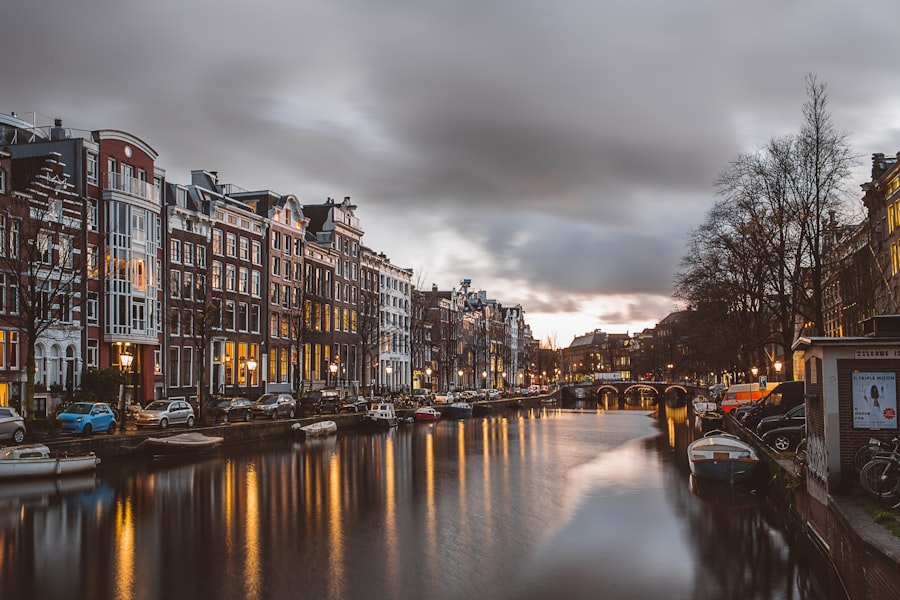
Amsterdam has quietly become one of Europe's most consequential tech and business cities. Netflix Europe is here. So is Uber EMEA, Tesla Europe, Booking.com, TomTom and a few hundred other companies that chose a city of 900,000 people over London, Paris or Frankfurt. The reason is not the canals, though the canals help. It is a tax regime so generous it has become one of the most powerful relocation incentives in the developed world.
The 30% ruling. Let us talk about it properly.
What the 30% ruling actually is
The 30%-regeling allows qualifying skilled migrants to receive 30% of their gross salary tax-free for up to five years. The premise is that this compensates for the extraterritorial costs of relocating — housing, schooling, flights home. In practice it functions as a very significant pay rise, and it is why the Netherlands has been hoovering up international talent for three decades.
Example: €80,000 gross salary
Over five years on that salary, that is €50,000 in additional take-home pay. For higher salaries, the numbers are more dramatic still. This is not a marginal incentive. It changes the financial reality of living in Amsterdam in a fundamental way.
Who qualifies
The criteria are specific. You must be recruited from abroad, having lived more than 150km from the Dutch border for at least 16 of the previous 24 months. You must be employed by a Dutch company. You must earn above the minimum threshold: €46,107 gross per year in 2026. Your employer must apply within four months of your start date. There is no retroactive application.
Why Amsterdam and not London or Paris
English is the working language of Dutch business. The Netherlands has the highest English proficiency rate outside native English-speaking countries. You can build an entire career and social life here without speaking a word of Dutch. This is not true of Paris, Frankfurt or Madrid.
Schiphol is 45 minutes from the city centre and one of Europe's best-connected airports. For companies with global operations, this alone is worth a significant premium. The Dutch regulatory environment is stable, business-friendly and has strong IP protections. And the Dutch workforce is highly educated, multilingual and famously direct. Meetings are efficient. Decisions get made.

The honest cost reality
Amsterdam is expensive. This is not a secret and it would be dishonest to frame it as otherwise. At €1,950 a month for a comfortable single life, it is one of Western Europe's pricier cities. Rent at €1,400 a month for a one-bedroom is the main driver. The rental market is legendarily competitive and apartments in popular areas go within hours of listing.
But for professionals qualifying for the 30% ruling and earning above €60,000, Amsterdam can feel more affordable than cities with lower headline costs. The ruling effectively gives you a meaningful raise that more than offsets the premium rent. The city works extremely well for high earners. For those on modest salaries, the maths are harder.
The bike infrastructure that changes everything
900,000 bikes for 900,000 residents. A €150 second-hand bike from Marktplaats replaces virtually all your public transport needs within the city. The monthly OV-chipkaart at €100 becomes largely redundant for daily use. You also get an involuntary fitness programme built into your commute, which compounds pleasantly over time.
See Amsterdam's full cost breakdown
Amsterdam complete guide