Somewhere between the avocado toast at a sidewalk cafe in La Condesa and the mezcal negroni on a rooftop in La Roma, you start to understand what all the noise is about. Mexico City has always been one of the world's great metropolises. 21 million people. 200 museums. A food culture so deep and complex that UNESCO gave it intangible heritage status. But something has shifted in the past three years, and the global nomad community has noticed.
CDMX is having its moment. And the moment feels like it has legs.
La Condesa and La Roma: what they actually are
La Condesa was built in the 1930s on the site of a former horse racing track, which is why its streets curve around the oval of Parque México rather than following the city grid. The result is a neighbourhood of extraordinary urban beauty: Art Deco apartment buildings, tree-lined streets, a central park with a bandstand and Sunday morning rollerbladers, excellent independent restaurants and coffee shops. It is one of the most liveable urban neighbourhoods in the world. That is not hyperbole.
La Roma — divided into Roma Norte and Roma Sur — is slightly grittier, more diverse and arguably even more interesting. The 1985 earthquake devastated both neighbourhoods, and the community that organised its own recovery planted the seeds of Mexico City's civil society movements. Alfonso Cuarón's "Roma" won the Academy Award for Best Picture in 2019 and gave the neighbourhood a global cultural visibility it had never previously had. The houses and streets in the film are still there, largely unchanged.
La Condesa
Tree-lined Art Deco streets, Parque México, excellent restaurants. The most polished and internationally popular nomad neighbourhood in the city.
La Roma Norte
Hipper, more diverse and slightly more affordable. Excellent independent restaurants, mezcalerías and the highest density of specialty coffee in the city.
Polanco
Mexico City's most affluent neighbourhood. Designer boutiques, Michelin-starred restaurants and two of the city's best museums. Expensive but world-class.
Coyoacán
Frida Kahlo's neighbourhood. Cobblestone streets, colonial architecture, weekend markets and a deeply Mexican character that the central colonias have partially lost.
The food: this is not a digression
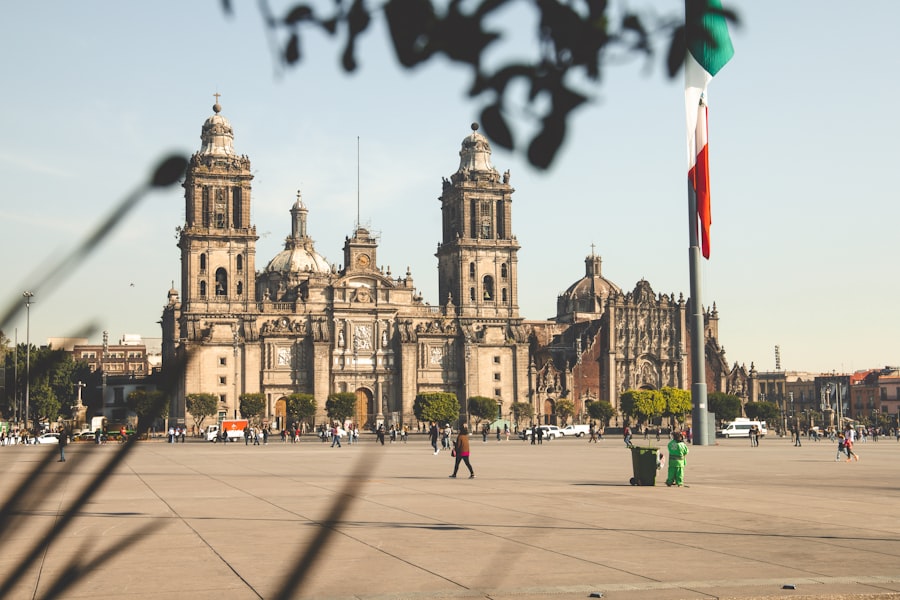
Mexico City is one of the five or six greatest food cities on earth. The arguments for this are overwhelming. More restaurants than New York. More UNESCO-recognised culinary traditions than any other country. Enrique Olvera's Pujol consistently in the world's top ten. And a perfect taco al pastor from a street vendor costs €2.
Breakfast at a local fonda: huevos rancheros, black beans, salsa verde, fresh orange juice and a café de olla with cinnamon. €4. Lunch comida corrida: soup, rice, main course with beans and agua fresca. €5. Dinner at a mezcalería in Roma Norte with tlayudas and three mezcals. €25. This is how people actually eat here.
The evolution of the city
Mexico City has been transforming for two decades but the pace has accelerated sharply since 2020. The pandemic accelerated remote work, which accelerated the flow of international workers to affordable culturally rich cities. CDMX was perfectly positioned. The Metrobús BRT system covers most major corridors. The metro costs €0.25 per journey, one of the cheapest in the world for any major metropolitan system. New bike lanes have transformed cycling in Condesa, Roma and Polanco. Uber works perfectly and costs €3 to €5 for most journeys within the central colonias.
Air quality, long a justified criticism, has improved significantly since the 1990s. On clear days after rain, the snow-capped volcanoes Popocatépetl and Iztaccíhuatl are visible from the city. A sight that surprises almost every visitor who sees it for the first time.
The beauty of Mexico beyond the city
Teotihuacán is 45 minutes by car. Puebla with its baroque architecture and mole sauce is 2 hours by bus. Oaxaca — arguably Mexico's most culturally rich city, with extraordinary food, mezcal culture and indigenous art — is 6 hours by bus or 1 hour by plane. The Pacific coast of Oaxaca, with Zipolite and Puerto Escondido, is famous for surfing and a beach culture that is the antithesis of Cancún's resort packages. The Yucatan Peninsula, Mérida, the cenotes, San Miguel de Allende, Guanajuato. One year in Mexico City gives you access to one of the world's most diverse and beautiful countries.
The gentrification conversation
It would be dishonest to write about this without addressing it. Rents in La Condesa and La Roma have risen 30 to 50% since 2020, driven in part by higher-earning foreign remote workers. Long-term Mexican residents are being displaced from neighbourhoods they have lived in for decades. This tension is real and actively discussed in Mexican media. How to engage with it is a personal question each nomad must consider. Spending money locally, learning Spanish, building genuine relationships with Mexican neighbours and supporting local rather than expat-facing businesses are meaningful if insufficient responses.
Compare European nomad cities
Budapest — Europe's best value EU capital